


What is Coffee Nap? The Most Effective Wake-Up Method Approved by Science
Jul
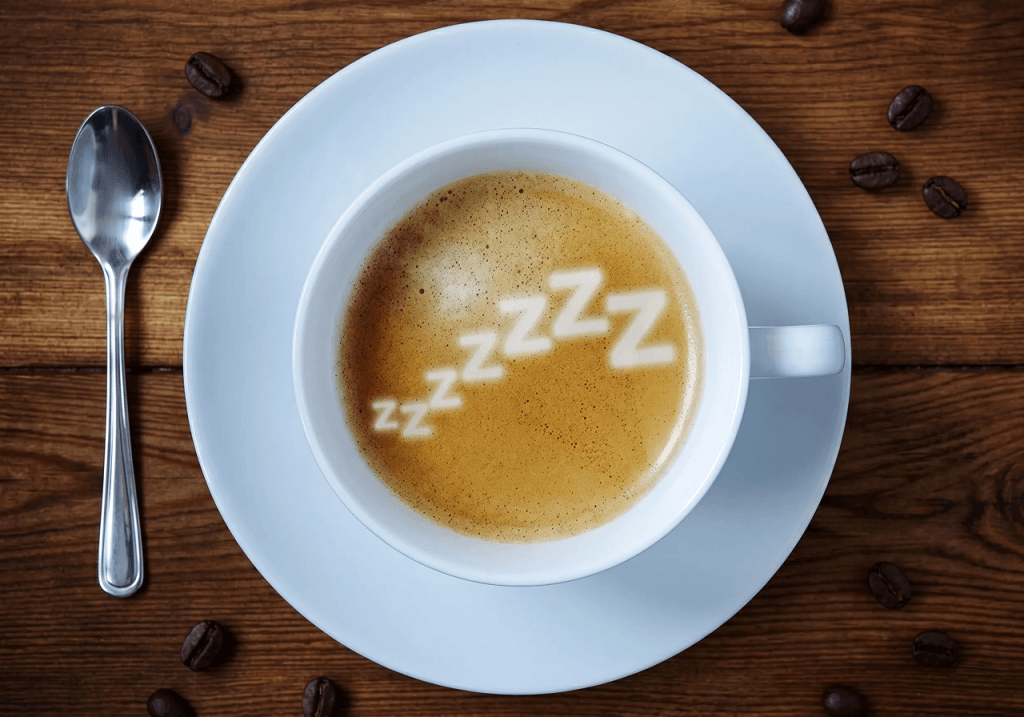
After lunch, your eyes close, you get distracted, and you’re torn between a cup of coffee and a short nap. What if you could do both at the same time? “Coffee nap” is exactly the method that turns this paradox into a scientific advantage. People who take a short 20-minute nap immediately after drinking coffee wake up much more refreshed and focused than those who only drink coffee or sleep only. This may sound contradictory; After all, coffee is there to wake you up and sleep is there to rest. However, when the workings of brain chemistry are understood, it becomes clear why these two actions together produce a much stronger effect.
The Brain Chemistry Behind Coffee Nap
To understand the coffee nap method, it is necessary to first look at how the brain produces the fatigue signal. The main actor in this process is a neurochemical called adenosine.
What is Adenosine and How Does Sleep Pressure Occur?
Adenosine is a natural byproduct of the body’s energy metabolism. Every hour of awake during the day increases the accumulation of adenosine in the brain. Borbély’s study, published in the journal Human Neurobiology and considered the cornerstone of sleep research, revealed that adenosine accumulation is the primary trigger of the mechanism called sleep pressure.
How Does Every Waking Hour Accumulate Adenosine?
Brain cells use ATP (adenosine triphosphate) as an energy source when they work. Adenosine, the residual product of this energy expenditure, accumulates in the extracellular space throughout the day. The adenosine level, which is relatively low when waking up in the morning, rises towards the evening and prepares the brain for sleep step by step.
Adenosine Receptors and the “You’re Tired” Signal
When adenosine binds to specialized receptors in the brain (especially A1 and A2A receptors), it slows down neuronal activity. This attachment triggers the “now it’s time to rest” signal. As a result, attention decreases, eyelids become heavy, and sleep pressure is felt. During sleep, the brain clears adenosine; Therefore, when waking up, vitality is felt. In our article How to Sleep After Drinking Coffee: A Comprehensive Guide, we discussed this cleansing process and the role of caffeine in this equation in detail.
Caffeine’s Journey in the Brain: A 20–25 Minute Window
The critical factor that makes the coffee nap method work is the absorption rate of caffeine. After drinking coffee, caffeine does not reach the brain directly; It must first mix with the blood from the stomach and small intestine, and then cross the blood-brain barrier.
Why Caffeine Doesn’t Work Immediately Absorption Kinetics
Caffeine reaches its peak concentration in blood plasma about 20–25 minutes after oral ingestion. This lag time forms the basis of the coffee nap method. When you go to sleep immediately after drinking coffee, falling asleep is not prevented because caffeine has not yet reached the receptors. In other words, this 20-minute window is the perfect timing opportunity for nature to do their job for both sleep and caffeine to do their job separately.
Receptor Competition: Caffeine or Adenosine Wins?
Fredholm and his team’s comprehensive review, published in the journal Pharmacological Reviews , detailed the affinity (tendency to bind) caffeine to adenosine receptors. Caffeine replaces adenosine by binding to adenosine A1 and A2A receptors; however, it does not activate the receptor. In other words, caffeine “blocks” the receptor without transmitting the fatigue signal. This is where the mechanism that makes coffee nap so effective comes into play: during short sleep, the brain naturally clears adenosine, while caffeine binds to receptors at the time of waking. Thus, a brain with both adenosine reduced and receptors blocked by caffeine experiences a double-layered vitality effect.
How is Coffee Nap Applied? Step-by-Step Guide
Once you understand the science behind the method, it is quite simple to move on to implementation. However, paying attention to a few critical details significantly improves the results.
Choosing the Right Coffee: Espresso or Filter Coffee?
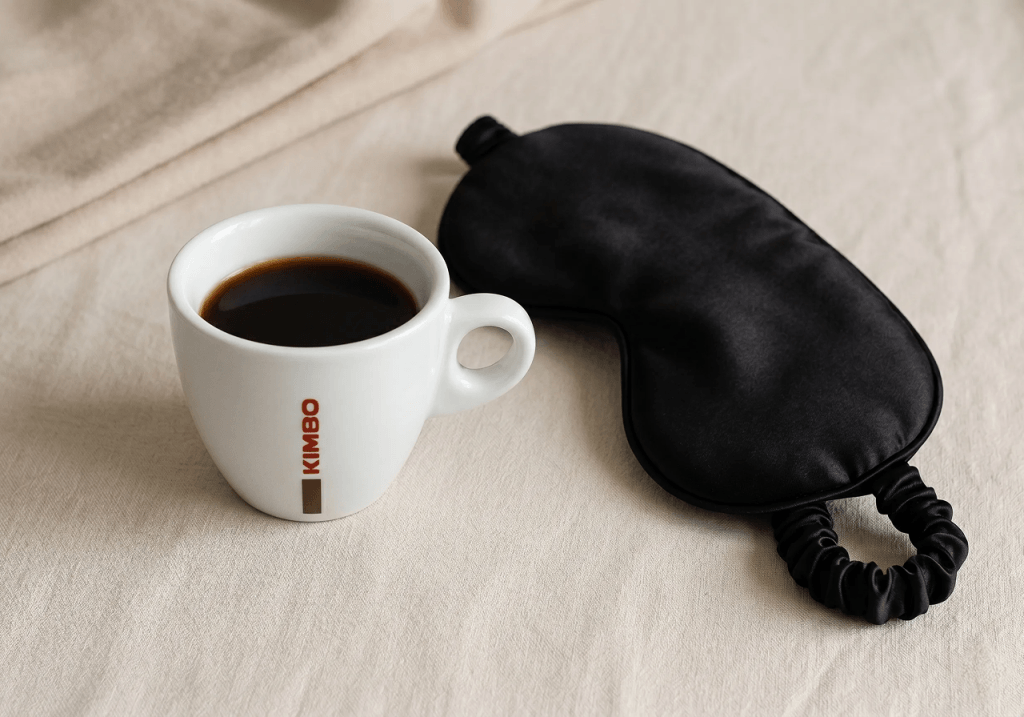
The primary criterion for choosing coffee for coffee nap is the rapid absorption of caffeine. For this reason, a coffee that can be consumed hot and quickly should be preferred.
Why is High Caffeine Content Important?
For the method to work, a sufficient amount of caffeine must mix with the blood within the 20-minute window. A single shot of espresso (about 63 mg of caffeine) or a small cup of drip coffee (about 95 mg of caffeine) is suitable for this purpose. The important thing is not to sip coffee slowly, but to consume it within a few minutes. Cold brew or iced coffees, on the other hand, lag behind in the preference ranking as they may act slower due to the stomach absorption rate.
The Secret of the 20 Minute Nap
The most critical parameter of the coffee nap method is time. The napping time should not exceed 20 minutes.
Why Set the Alarm for a Full 20 Minutes?
The 20-minute duration ensures that sleep remains in NREM Stage 1 and Stage 2 stages. These light sleep phases are sufficient for adenosine clearance; however, it prevents the transition to the deep sleep phase (Stage 3, slow wave sleep). Waking up from deep sleep leads to a state of grogginess known as sleep inertia and takes away all the advantage of coffee nap.
Does Not Falling Asleep Also Work?
Yes. Studies have shown that even participants who could not fully sleep benefited from coffee nap. 20 minutes of rest spent in a comfortable position with eyes closed – even if you do not fall asleep – partially supports adenosine clearance by slowing down brain activity.

Ideal Environment and Conditions for Coffee Nap
Ambient conditions are also important to get maximum efficiency from the method.
Dark, Quiet Space and Body Position
A dim or dark environment facilitates melatonin secretion, accelerating the transition to sleep. Earplugs or noise-masking headphones are particularly beneficial in an office setting. A slightly leaning back sitting position (e.g. car seat or office chair) is ideal as a body position; Going to bed completely can increase the risk of transitioning to deep sleep. In addition, people who consume coffee too quickly and on an empty stomach may experience side effects such as dizziness. In this regard, our article Stopping Dizziness After Drinking Coffee: 7 Proven Strategies offers practical solutions.
How effective is Coffee Nap? What Does the Research Say?
The effectiveness of the coffee nap method has been measured in controlled experiments and documented in the scientific literature.
Loughborough University’s Driver Fatigue Experiment
The scientific basis of the concept of coffee nap is largely based on the work of Loughborough University researchers Horne and Reyner. In this study, published in the journal Psychophysiology , tired drivers were divided into three groups: the group that took only caffeine, the group that only took a nap, and the group that drank coffee and then slept for 20 minutes. In the driving simulator tests, the group that combined coffee and sweets made significantly fewer mistakes and exhibited a higher level of alertness compared to the other two groups. This study is considered the first systematic evidence of the coffee nap method in the scientific literature.
Coffee Nap Superiority in Cognitive Performance Metrics
Beyond driver fatigue, the impact of coffee nap on overall cognitive performance has also been studied.
Comparative Results in Reaction Time, Memory, and Attention Tests
Hayashi and his team’s study, published in the journal Clinical Neurophysiology , compared different wake-up methods applied after short daytime naps with EEG (electroencephalography) measurements. In the condition where caffeine intake and short sleep were combined, participants’ reaction times were shortened, error rates in attention tests decreased, and subjective alertness scores increased. EEG data confirmed that this combination provides a faster wakefulness transition in brain wave activity.
Coffee Nap – Just Drinking Coffee vs Just Sleeping Comparison
A comparison of the three methods clarifies why coffee nap is in a privileged position.

Comparison of Cognitive Performance of Three Methods
Drinking only coffee blocks adenosine receptors but does not clear the accumulated adenosine. When the caffeine effect wears off – after an average of 5–6 hours – the waiting adenosine pile binds to the receptors and fatigue returns in a sudden wave; This condition is popularly known as “caffeine crash”. Just taking a nap partially removes adenosine; However, since the receptors remain fully open at the time of awakening, the remaining adenosine can still send a fatigue signal. Moreover, temporary grogginess (sleep inertia) after short sleep can overshadow the benefit of napping for a few minutes.
Why Does the Combination Exceed Both?
Coffee nap activates these two mechanisms simultaneously. While the brain clears adenosine during sleep, caffeine absorption is completed and it blocks the empty receptors. At the time of waking, both adenosine levels have decreased and receptors are protected by caffeine. This dual-layered effect creates a level of fitness that no single method can offer.
The Limits of Coffee Nap: Caffeine Tolerance and Reduced Potency
Like any effective method, coffee nap has its limits. In people who consume regular and high amounts of caffeine, the number of adenosine receptors increases (upregulation); This lowers the rate of receptors that caffeine can block and reduces the perceived effect of the method. As Fredholm et al. emphasized in the same review, receptor sensitivity changes markedly in individuals with developed caffeine tolerance. However, coffee nap applied in the late afternoon can negatively affect nighttime sleep. Since the average half-life of caffeine is 5–6 hours, applications after 15:00 can prolong the time it takes to fall asleep at night. Coffee nap is therefore a strategy that can be most efficiently implemented between late morning and early afternoon.
En Çok Satan Kampanyalarımız
₺ 1.720,00Original price was: ₺ 1.720,00.₺ 1.548,00Current price is: ₺ 1.548,00.₺ 1.215,00Original price was: ₺ 1.215,00.₺ 1.093,00Current price is: ₺ 1.093,00.₺ 1.175,00Original price was: ₺ 1.175,00.₺ 1.057,00Current price is: ₺ 1.057,00.₺ 1.855,00Original price was: ₺ 1.855,00.₺ 1.670,00Current price is: ₺ 1.670,00.₺ 2.235,00Original price was: ₺ 2.235,00.₺ 1.900,00Current price is: ₺ 1.900,00.