


2 Best Methods to Quickly Remove Coffee Stains from Teeth

Aug
Coffee has become an integral part of the daily routine of millions of people around the world. The energy and pleasure of drinking a cup of coffee with the first light of the morning is an indispensable ritual for many people to start the day. Especially those who prefer intensely flavored coffee or strong coffee varieties cannot give up the intense taste of this aromatic drink. However, regular consumption of this aromatic drink can lead to the formation of unwanted yellow and brown stains on the teeth. In this article, we will examine the formation mechanism of coffee stains and discuss in detail the two most effective methods to quickly remove these stains from your teeth.
Understanding Coffee Stains
Why Does Coffee Stain Teeth?
The mechanism by which coffee stains teeth is directly related to the chemical components it contains. The tannins and chromogens released when grinding coffee beans penetrate the microscopic pores of the tooth enamel and accumulate over time. Tannins are polyphenolic compounds found naturally in plants and have the ability to bind to proteins. Enamel, the outermost layer of our teeth, has a porous structure at the microscopic level. These pores provide a suitable environment for chromogen molecules to settle.
The acidic nature of coffee (in the pH range of 4.85-5.10) temporarily softens tooth enamel, allowing these dyes to penetrate more easily. Particularly hot coffee consumption makes the enamel more permeable, accelerating the stain formation process. Dark roasted coffees cause more staining compared to light roasts because they have a more intense chromogen content.
The Effect of Coffee Stains on Oral Health
Coffee stains have various effects on oral health beyond aesthetic concerns. Stained tooth surfaces create a suitable environment for plaque accumulation, facilitating bacterial colonization. If left untreated, this condition can lead to gum inflammation and tooth decay.
The acidic structure of coffee can lead to enamel erosion with prolonged exposure. Thinning of the enamel layer increases tooth sensitivity and creates discomfort when consuming cold or hot foods. Additionally, stained teeth can negatively affect a person’s self-confidence, causing shyness in social life.
2 Best Methods to Quickly Remove Coffee Stains
Method 1: Quick Solutions Applicable at Home
Baking Soda and Hydrogen Peroxide Paste
The combination of baking soda and hydrogen peroxide is one of the most effective whitening pastes that can be prepared at home. The mild abrasive property of baking soda cleans surface stains, while the oxidizing effect of hydrogen peroxide penetrates deeper stains.
Application Steps
Mix one teaspoon of baking soda with a few drops of 3% hydrogen peroxide to create a paste consistency. Take this mixture on a soft-bristled toothbrush and brush your teeth in circular motions for 2 minutes. After the procedure, rinse your mouth thoroughly with water. Repeat this application at most 2-3 times per week.
Safety Warning
Be careful that the hydrogen peroxide concentration does not exceed 3%. High concentrations can cause irritation of the gums and enamel erosion. If you have sensitive teeth, reduce the frequency of use or prefer alternative methods.
Oil Pulling with Coconut Oil
Oil pulling is an ancient oral cleaning method from Ayurvedic medicine. The antibacterial properties of coconut oil help reduce harmful bacteria in the mouth while assisting in the removal of stains on tooth surfaces.
Application Technique
Take one tablespoon of organic coconut oil into your mouth. Swish the oil in your mouth for 15-20 minutes and pass it between your teeth. During this time, the oil absorbs bacteria and toxins. At the end of the process, spit the oil into the trash, not the sink (it can clog pipes). Rinse your mouth with warm water and apply your normal tooth brushing routine.
Recommended Frequency
Apply oil pulling once a day, preferably in the mornings on an empty stomach. With regular use, visible whitening effects can be observed within 2-3 weeks.
Activated Charcoal
Activated charcoal absorbs stains and toxins on tooth surfaces thanks to its high absorbent property. Its micro-porous structure captures coffee stain molecules and removes them from teeth.
Usage Method
Empty one activated charcoal capsule powder into a small bowl. Dip your damp toothbrush into the powder and gently brush your teeth for 2 minutes. Rinse with plenty of water until your mouth is completely clean. Apply this procedure 2-3 times per week.
Precautions
Activated charcoal can temporarily turn your mouth and sink black. Pay attention to cleanliness after use. Excessive use can cause abrasion on the enamel surface, so do not exceed the recommended frequency.
Apple Cider Vinegar Gargle
The malic acid contained in apple cider vinegar acts as a natural whitener, helping to dissolve coffee stains. It also regulates the pH balance in the mouth, preventing bacterial growth.
Preparation and Application
Add two tablespoons of organic apple cider vinegar to a glass of warm water. Gargle with this mixture for 30 seconds and spit it out. Rinse your mouth with clean water after the procedure. Due to the acidic nature of vinegar, wait at least 30 minutes after application before brushing your teeth.
Usage Frequency
Apply apple cider vinegar gargle once a day, preferably in the evenings. However, if you experience tooth sensitivity, do not use it more than 2-3 times per week.
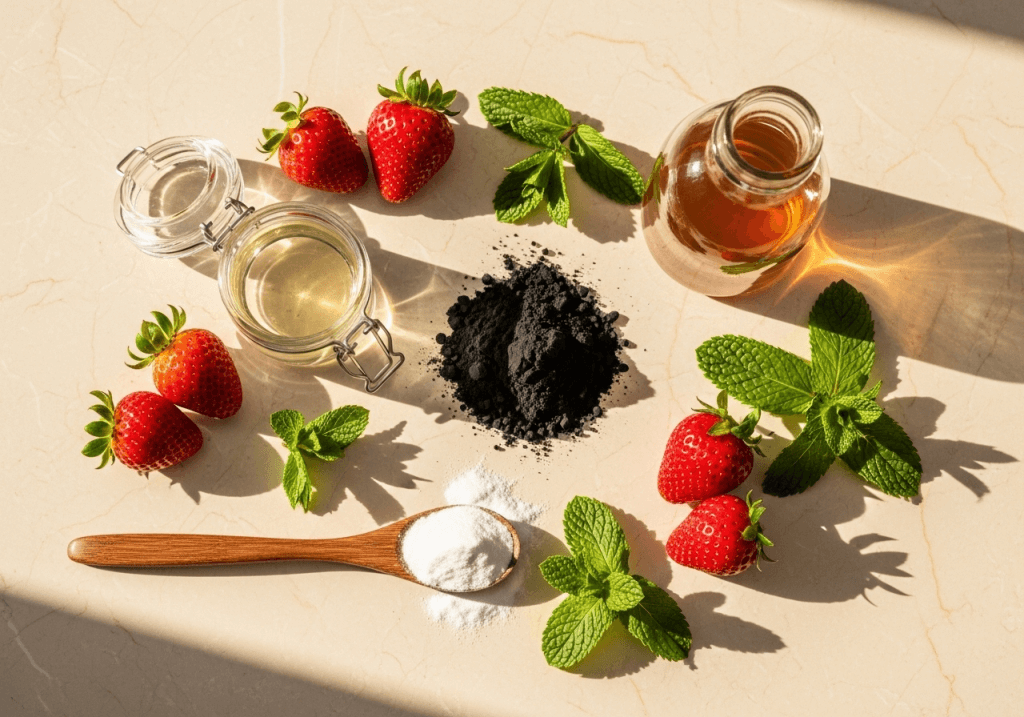
Strawberry and Baking Soda Paste
When the malic acid in strawberries combines with the cleaning effect of baking soda, an effective natural whitening paste is obtained. The vitamin C content of strawberries also supports gum health.
Preparation Method
Mash one ripe strawberry with a fork. Add half a teaspoon of baking soda and mix. Take this mixture on your toothbrush and gently brush your teeth for 5 minutes.
Application Duration
Use this natural paste once a week. More frequent use is not recommended due to the acid content in strawberries. After application, brush normally with fluoride toothpaste to renew the protective layer.
Method 2: Professional Treatments for Quick Results
Clinical Teeth Whitening
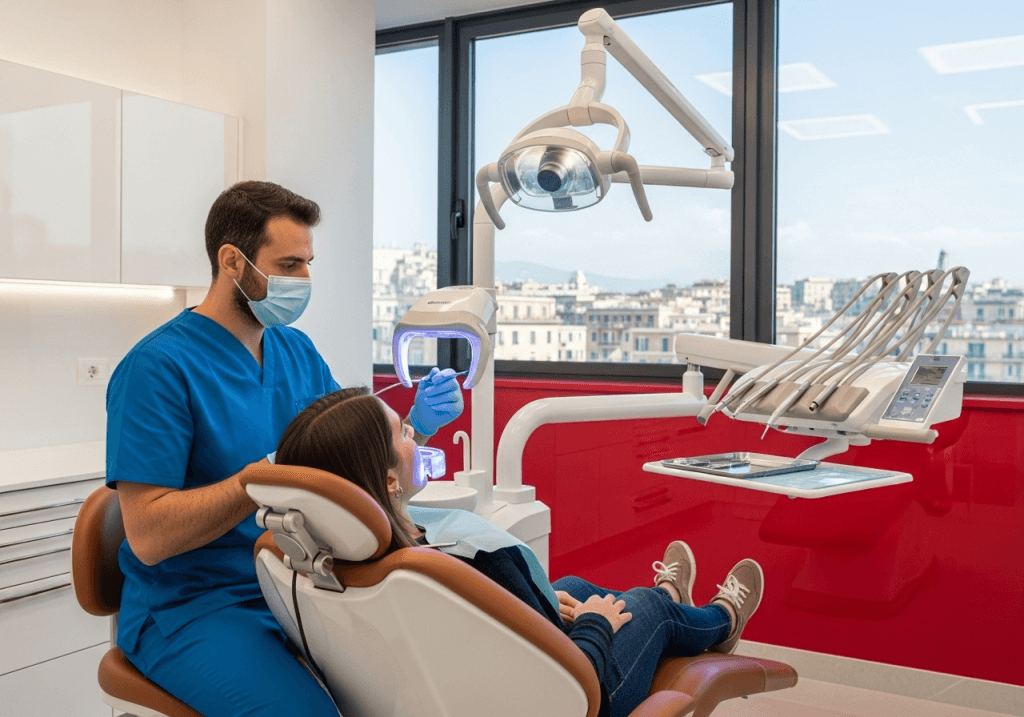
Professional teeth whitening is the fastest and most effective method for removing coffee stains. In this procedure performed by dentists, high-concentration whitening gels are activated with special light systems.
Treatment Process
First, the dentist determines the current color of your teeth and takes photographs. After isolating your gums with a protective barrier, a gel containing 15-35% hydrogen peroxide is applied to your teeth. The gel is activated with LED or laser light, accelerating the whitening process. The procedure is usually completed in 3-4 sessions, with each session lasting 15-20 minutes.
Duration and Results
3-8 shades of whitening can be achieved in a single session. Results typically show permanence between 1-3 years. Temporary sensitivity may be experienced for 24-48 hours after the procedure.
Dental Cleaning
Professional dental cleaning is quite effective in removing superficial coffee stains. This procedure, performed using ultrasonic devices and special polishing pastes, also cleans dental calculus.
Procedure Details
The dentist or dental hygienist cleans hard deposits on tooth surfaces with an ultrasonic scaler. Then, teeth are polished with special polishing paste and rotating brushes. In the final stage, fluoride application is performed to strengthen the enamel. The entire procedure takes approximately 30-45 minutes.
Recommended Frequency
Professional cleaning every 6 months is recommended for general oral health. For heavy coffee consumers, this period can be reduced to 3-4 months.
Veneer
Veneer application offers a long-term solution against persistent and resistant coffee stains. They are thin porcelain or composite laminates that are bonded to the front surface of teeth.
Application Method
The dentist removes a minimal amount of enamel from the front surface of your teeth (0.5-0.7 mm). After taking measurements, specially prepared veneers in the laboratory are fixed to the teeth with strong adhesives. The procedure is usually completed in 2-3 sessions.
Advantages
Veneers are extremely resistant to coffee stains and can last 10-15 years. They also correct defects in tooth shape and size. They provide a natural tooth appearance and are a minimally invasive method.
Preventive Measures for Future Stains
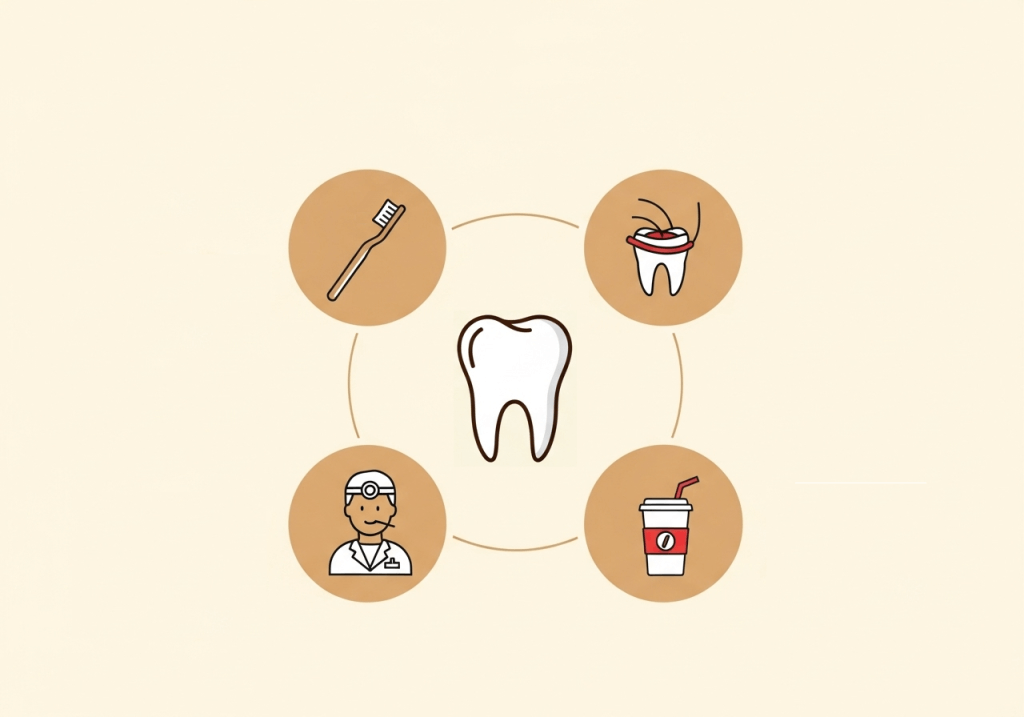
Using a Straw
Drinking your coffee with a straw minimizes the contact of the liquid with your teeth. This simple measure significantly reduces stain formation, especially on the front teeth. Reusable metal or glass straws are both environmentally friendly and practical solutions. The use of straws is especially effective in filter coffee consumption.
Rinsing with Water After Coffee
Rinsing your mouth with water immediately after drinking coffee neutralizes the acidic environment and prevents tannin accumulation. This habit can reduce stain formation by up to 50%. If possible, prefer room temperature water.
Good Oral Hygiene Practices
Daily Tooth Brushing
Brush your teeth at least twice a day with fluoride toothpaste. Wait at least 30-60 minutes after coffee before brushing. This time is necessary for the acid-softened enamel to harden again. Electric toothbrushes show 21% more plaque removal effectiveness compared to manual brushes.
Dental Floss Use
Daily dental floss use cleans coffee residues accumulated between teeth. Since these areas are places the brush cannot reach, they are particularly prone to stain formation. Waxed dental flosses provide ease of use thanks to their slippery structure.
Mouthwash Use
Antiseptic mouthwash use reduces the number of bacteria in the mouth, preventing plaque formation. Fluoride-containing mouthwashes also strengthen enamel structure. Gargle once a day for 30 seconds, preferably before going to bed at night.
Limiting Coffee Consumption or Choosing Light Roasts
Limiting your daily coffee consumption to 2-3 cups reduces the risk of stain formation. Light roasted coffees contain less chromogen than dark roasts. Soft coffee varieties or 100% Arabica coffee options are more suitable for dental health thanks to their less acidic structure. Cold brew methods can be preferred for dental health as they are 67% less acidic than hot brew.
If you do not want to reduce your coffee consumption, you can consider decaffeinated coffee options or keep your portions under control with capsule coffee systems.
Regular Dentist Visits
At least two dentist check-ups per year are critical for the detection and treatment of early-stage stains. Professional evaluation allows for the determination of personalized protective measures. Your dentist can recommend special care products according to your risk factors.
Frequently Asked Questions
How Often Should Home Whitening Methods Be Used?
The frequency of use of home whitening methods varies depending on the chosen method and your tooth sensitivity. Methods containing baking soda can be applied 2-3 times per week, activated charcoal twice a week, and oil pulling can be applied daily. Reduce or stop use in case of any sensitivity or discomfort.
Are Natural Methods Like Baking Soda and Activated Charcoal Safe for Daily Use?
Baking soda and activated charcoal are not suitable for daily use due to their abrasive properties. Long-term and frequent use can lead to enamel erosion. Using these methods a maximum of 2-3 times per week ensures you stay within safe limits.
Can Professional Treatments Harm Teeth?
Professional treatments performed correctly by specialist dentists are generally safe. However, excessive or frequent whitening procedures can weaken enamel structure and cause permanent sensitivity. It is important to follow the treatment plan recommended by your dentist.
How Quickly Can Results Be Obtained with Home-Applied Methods?
The effectiveness of home-applied methods varies from person to person. For superficial stains, visible results can be obtained within 1-2 weeks. Deep and old stains may require 4-6 weeks of regular application. Being patient and applying the method regularly is the key to success.
What Is the Best Way to Maintain a Stain-Free Smile After Whitening?
A regular oral hygiene routine is essential to maintain results after whitening. Reducing coffee consumption or using a straw, daily care with antiseptic mouthwash, professional cleaning every 6 months, and using whitening toothpaste provide effective protection. Avoiding coloring foods and beverages for the first 48 hours is critical.
Conclusion
Getting rid of coffee stains is possible with the right method and regular care. While natural methods applicable at home offer effective and economical solutions for mild to moderate stains, professional treatments provide faster and more permanent results. The most important point is to maintain protective measures after treatment and adopt regular oral hygiene habits.
Since each individual’s tooth structure and stain intensity are different, be sure to consult a dentist to determine the most suitable method for you. Remember that healthy and white teeth not only provide aesthetic appearance but are also indicators of your overall oral health. While enjoying your coffee, you can protect your bright smile with these simple measures and methods.
For a quality coffee experience, you can discover discounted Kimbo coffee varietiesand apply methods to protect your teeth while drinking your favorite coffee.
En Çok Satan Kampanyalarımız
₺ 1.720,00Original price was: ₺ 1.720,00.₺ 1.548,00Current price is: ₺ 1.548,00.₺ 1.215,00Original price was: ₺ 1.215,00.₺ 1.093,00Current price is: ₺ 1.093,00.₺ 1.175,00Original price was: ₺ 1.175,00.₺ 1.057,00Current price is: ₺ 1.057,00.₺ 1.855,00Original price was: ₺ 1.855,00.₺ 1.670,00Current price is: ₺ 1.670,00.₺ 2.235,00Original price was: ₺ 2.235,00.₺ 1.900,00Current price is: ₺ 1.900,00.