


A Guide to Preparing Coffee Without Cream: An Exploration of Pure Flavor

Aug
Introduction and Basic Information
Reasons for Not Using Coffee Creamer
In modern coffee culture, consuming coffee without cream has become an increasingly common preference. The fundamental motivations behind this choice include health concerns, the search for natural sweeteners, and the desire to experience coffee’s authentic aroma. Traditional coffee cream typically contains high amounts of saturated fat, trans fats, and artificial additives. These components can create negative effects on cardiovascular health in the long term.
Additionally, for individuals with lactose intolerance or vegan dietary preferences, coffee cream ceases to be a suitable option. For those who want to keep their calorie intake under control, coffee without cream becomes an important tool in maintaining daily energy balance. Especially in coffees prepared with quality beans such as 100% Arabica Coffee , it is possible to experience the natural aroma without the need for cream.
The Importance of Healthy Coffee Consumption
Coffee, when properly prepared and consumed, is a beverage that provides countless benefits to human health. Rich in antioxidants, coffee provides protection against free radicals and slows cellular aging. Consuming coffee without cream maximizes these benefits while minimizing unnecessary fat and sugar intake.
Scientific research reveals that regular coffee consumption has a protective effect against type 2 diabetes, Parkinson’s disease and liver diseases. In order to fully evaluate these protective effects, it is recommended to consume coffee in its pure form as much as possible. Organic Coffee options offer a natural coffee experience free from chemical residues.
Discovering Natural Coffee Aroma
Discovering the true aroma of coffee is as exciting as a journey. Each coffee bean bears the traces of the geography, climate and processing method where it is grown. Preparing coffee without cream offers the opportunity to experience this unique aroma without masking it. Soft Brew Coffee varieties offer a full-bodied and balanced flavor profile even without cream, making them an ideal starting point for those trying coffee without cream for the first time.
Basic Coffee Preparation Principles
Quality Bean Selection
Coffee beans are the foundation of a perfect coffee experience. To maintain the freshness of the beans, they should be stored in airtight containers in dark and cool environments. Single origin coffees reflect the characteristic features of a specific region. Differences such as Ethiopia’s floral notes, Colombia’s balanced acidity and chocolate notes, and Kenya’s blackcurrant aromas are felt more prominently in coffee without cream.
When choosing Bean Coffee , it is important to pay attention to the roasting date. Ideally, it should be consumed within 2-4 weeks after the roasting date. During this time, coffee beans exhibit their best aroma profiles.
Bean Grinding Techniques
The bean grinding process is one of the most critical stages of coffee preparation. Ideal grinding varies according to the brewing method. Using a burr grinder provides more homogeneous grinding compared to blade grinders and preserves the coffee’s aroma.
Coarse grind should be preferred for French press, medium-fine grind for pour-over, and fine grind for espresso. The grinding process should be done before brewing and the ground coffee should be used immediately. If you are using Filter Coffee, you can go straight to the brewing stage, saving on grinding.

Water Quality and Its Importance
Since filtered water constitutes 98% of coffee, water quality directly affects the final product. Ideal water should have a total dissolved solids content between 150-200 ppm. While water that is too soft cannot fully extract the coffee’s aroma, water that is too hard adds unwanted mineral tastes.
Water temperature is also a critical parameter. Water in the 90-96°C range optimally extracts the coffee’s soluble components. Lower temperatures cause under-extraction, while higher temperatures lead to over-extraction and bitter tastes.
Brewing Methods
French Press
It is one of the ideal methods for preparing coffee without cream. This method preserves the natural oils and aromas of the coffee. It can start with a 1:15 coffee-to-water ratio (225 ml of water per 15 grams of coffee) and adjust according to personal preferences.
The brewing process includes the following steps:
- Add the coarsely ground coffee to the french press.
- Add a small amount of water for 30 seconds of blooming.
- Add the remaining water and let it brew for 4 minutes.
- Gently press the plunger down.
Intense Flavored Coffee varieties for the French press method give excellent results thanks to their rich body structure.
Pour-over
The pour-over method allows for maximum control over the coffee preparation process. This method, applied with equipment such as V60 and Chemex, offers a clean and clear coffee profile. The spiral water pouring technique ensures uniform extraction. Tin Can Filter Coffee Types offer a pre-prepared, practical option for the pour-over method.
AeroPress
The AeroPress stands out with its portability and versatility. It can be used by both normal and inverted methods. The short steeping time of 1-2 minutes ensures low acidity and a mellow flavor profile. Napoli Coffee Varieties give excellent results in the AeroPress with a traditional Italian flavor profile.
Natural Aroma Enrichment Methods
Using Spices
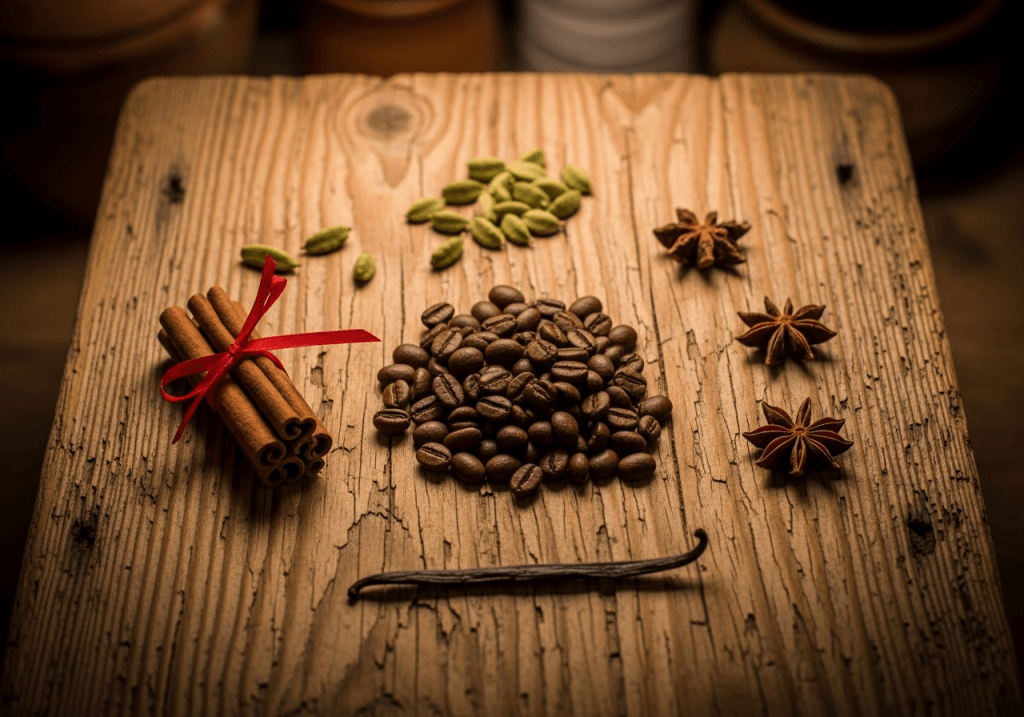
Using spices is one of the most effective ways to add richness to coffee without adding cream. This method has a deep-rooted place in Middle Eastern and North African coffee traditions.
Cinnamon
Cinnamon adds warm and sweet notes to coffee. A quarter teaspoon of ground cinnamon or a piece of cinnamon stick can be added during brewing. Cinnamon also increases coffee’s health benefits with its blood sugar regulating properties. Using Strong Brew Coffee when preparing cinnamon coffee creates a perfect balance with the strong aroma of the spice.
Cardamom
Green cardamom adds an exotic and floral aroma to coffee. 2-3 cardamom pods can be crushed and ground with coffee beans or added during brewing. Cardamom provides an exceptional aroma harmony, especially when used with premium beans like Kimbo Gold Coffee .
Nutmeg and Vanilla
Nutmeg zest gives coffee a warm and spicy character. Vanilla pod or pure vanilla extract adds sweet and creamy notes. Natural vanilla extract should be preferred instead of artificial vanilla.
The Salt Trick
A pinch of sea salt balances the bitterness of the coffee and highlights its natural sweetness. This technique is especially effective for dark roast coffees. Salt blocks the bitter receptors of our tongue, allowing other aromas of coffee to be perceived more clearly. The salt trick may seem strange at first, but the results are surprisingly positive.
Enrichment with Cocoa Powder
Cocoa powder is a natural enhancer that adds chocolate notes to coffee. Unsweetened cocoa powder increases the health benefits of coffee with its antioxidant content and creates a creamy feeling. It can be used by sprinkling it on top after brewing or by adding it while grinding the coffee. Chocolate toppings in the Sauces category can have a similar effect when added to hot coffee in small amounts.
Alternative Milk and Cream Options
Plant-Based Milk Alternatives
Plant-based milk alternatives offer a healthy and sustainable alternative to traditional dairy products. Each plant-based milk enriches the coffee experience with its unique taste profile and nutritional value.
Almond Milk
Almond milk is a popular choice with its light sweetness and low calorie content. Rich in vitamin E, almond milk gives coffee a creamy texture. Barista versions are suitable for preparing lattes and cappuccinos with their foaming properties.
Cashew Milk
Cashew milk stands out with its naturally creamy structure. Thanks to its neutral taste, it doesn’t mask the coffee’s aroma. It is rich in protein and healthy fats. It pairs perfectly with light roasted coffees.
Macadamia Milk
Macadamia milk has the creamiest texture among all plant-based milks. It supports heart health with its omega-3 fatty acid content. It is the ideal choice for those looking for a premium plant-based milk experience.
Oat Milk
Oat milk is baristas’ favorite with its natural sweetness and foaming ability. Its beta-glucan fiber content helps lower cholesterol levels. It is also an environmentally friendly alternative in terms of sustainability.
Coconut Milk
Coconut milk adds an exotic dimension to coffee with its tropical aroma. Its medium-chain fatty acid (MCT) content supports energy metabolism. It is especially popular in cold coffee recipes in summer.
Natural Sweeteners
Natural sweeteners offer healthy alternatives to refined sugar. These sweeteners not only add sweetness but also enrich the coffee experience with their unique aromas.
Honey
Raw honey is rich in antioxidants and enzymes. Different honey types such as flower honey, chestnut honey, or acacia honey add different aroma layers to coffee. Not heating honey above 60°C is important for preserving its nutritional value. It is ideal to wait for the coffee to cool slightly before adding honey to coffee.
Maple Syrup
Maple syrup adds depth to the coffee with its caramelized notes. It has nutritional properties with its mineral content (manganese, zinc). Different density options are available, Grade A and Grade B. Natural syrups in the syrups category can also be used to add flavor to coffee.
Date Syrup
Date syrup raises blood sugar more slowly with its low glycemic index. It is rich in potassium, iron, and antioxidants. Its dark, caramelized taste particularly harmonizes with dark roasted coffees. It is a favorite of those who are vegan and healthy eaters.
Advanced Coffee Techniques
Using Aroma Extracts
Aroma extracts are an effective way to add natural and intense aromas to coffee. Quality, pure extracts should be preferred.
Vanilla Extract
Pure vanilla extract adds sweet and creamy notes to coffee. 1-2 drops are sufficient for one cup of coffee. Madagascar vanilla is one of the highest quality options. Artificial vanilla flavors should be avoided and pure extracts should be preferred.
Almond Extract
Almond extract adds a nutty and slightly sweet aroma to the coffee. It creates an amaretto-like flavor profile. Overuse should be avoided; even a small amount produces a powerful effect.
Butter Coffee (Bulletproof)
Bulletproof coffee is a ketogenic diet-friendly coffee type prepared with butter from grass-fed cows and MCT oil. This coffee:
- It provides a long-term feeling of satiety.
- Improves mental clarity.
- It balances the energy level.
- Suitable for ketogenic and low-carb diets
Preparation: Add 1-2 tablespoons of butter and 1-2 teaspoons of MCT oil to 240 ml hot coffee, blend for 20-30 seconds. A foamy, creamy structure should be obtained.
Egg Coffee Tradition
Vietnam’s traditional “Cà phê trứng” recipe offers a coffee without cream but with a creamy texture. The foam prepared with egg yolk, sugar, and vanilla is added on top of hot coffee. This protein-rich coffee can also be consumed as a breakfast alternative. Strong, dark roast coffee is used for traditional recipes.
Cold Brew
Cold brew is coffee brewed with cold or room temperature water for an extended period. This method provides low acidity and natural sweetness. It is ideal for consumption without cream because, thanks to its natural sweetness, it does not need additional sweeteners.
Brewing Time
The optimal brewing time is between 12-24 hours. Longer brewing produces denser concentrate. It can be consumed by starting with a 1:8 coffee-water ratio and diluting the resulting concentrate with water or milk in a 1:1 ratio. It can be stored in the refrigerator for up to 2 weeks.
Grind Size
Coarse grinding should be preferred for cold brew. This prevents over-extraction and facilitates filtration. French press coarseness grinding is ideal. Fine grinding can create over-extraction and bitter tastes.
Coffee Optimization
Coffee-to-Water Ratio Adjustment
The coffee-to-water ratio is the most important parameter determining coffee’s strength and taste profile. Specialty Coffee Association (SCA) standards recommend a ratio between 1:15 and 1:17. However, this ratio can be adjusted according to personal preferences:
- For strong coffee: 1:12-1:14
- For medium strength coffee: 1:15-1:16
- For light coffee: 1:17-1:18
If you are using Capsule Coffee, the ratio is pre-optimized and provides a practical use.
Roast Level Selection
Roast levels directly affect coffee’s aroma profile and caffeine content.
Light Roast
Light roast preserves the bean’s original aroma. Fruity and floral notes are prominent. Acidity is high, body is light. It’s ideal for consumption without cream because complex aromas are not masked. Single origin coffees are usually roasted open.
Medium Roast
Medium roast offers balance and complexity. Both the origin character and the roasting notes are felt. It is a universal level that most coffee drinkers prefer. It can be consumed without cream or without sweetener.
Dark Roast
Dark roast, caramelized and chocolate notes stand out. The acidity is low, the stem is heavy. Bitterness can be pronounced, so adding natural sweeteners or spices is appropriate. Decaf Coffee options are usually offered with a dark roast.
Creating a Personalized Coffee Profile
Each individual’s palate is different. To create a personalized coffee profile:
- Keep a taste diary: Note down different beans, brewing methods, and additions.
- Conduct systematic experiments: Change one variable at a time.
- Identify flavors: Use the coffee flavor wheel to categorize flavors.
- Seasonal adaptation: Prefer cold brew in summer and spicy hot coffee in winter.
- Adaptation to the biological clock: Create energetic coffee profiles in the morning and calming in the evening.
You can find your own favorite by trying different profiles with Discounted Kimbo Coffee Varieties.
Presentation and Service Suggestions
The presentation of the coffee is also an important part of the experience. Using a Kimbo Coffee Cup both maintains warmth and adds visual richness. Porcelain cups present the aroma of coffee in the best way and keep the temperature balanced.
When serving coffee without cream:
- Serve at the appropriate temperature. (65-70°C is the ideal drinking temperature)
- Offer a glass of water with it. (for palate cleansing)
- It can be accompanied by seasonal fruit or nuts.
- Wait 2-3 minutes for the aromas to appear.
Conclusion
Preparing coffee without cream is not just a beverage choice but also a lifestyle and philosophy. This approach offers the opportunity to discover coffee’s natural beauty, experience healthy alternatives, and develop a personal taste profile. Each cup is the beginning of a new discovery journey.
By choosing quality beans, using the right brewing techniques and natural flavor enrichments, you can take your cream-free coffee experience to the next level. You can also create different flavor combinations with natural sweeteners such as Fruit Purees .
Remember, the perfect cup of coffee is shaped by personal preferences. Experiment, take notes, and create your own coffee journey. Coffee without cream will be a rewarding choice in terms of both health and taste.
En Çok Satan Kampanyalarımız
₺ 1.720,00Original price was: ₺ 1.720,00.₺ 1.548,00Current price is: ₺ 1.548,00.₺ 1.215,00Original price was: ₺ 1.215,00.₺ 1.093,00Current price is: ₺ 1.093,00.₺ 1.175,00Original price was: ₺ 1.175,00.₺ 1.057,00Current price is: ₺ 1.057,00.₺ 1.855,00Original price was: ₺ 1.855,00.₺ 1.670,00Current price is: ₺ 1.670,00.₺ 2.235,00Original price was: ₺ 2.235,00.₺ 1.900,00Current price is: ₺ 1.900,00.