


Flavored Roasting Coffee Beans: An Expert’s Guide
Aug
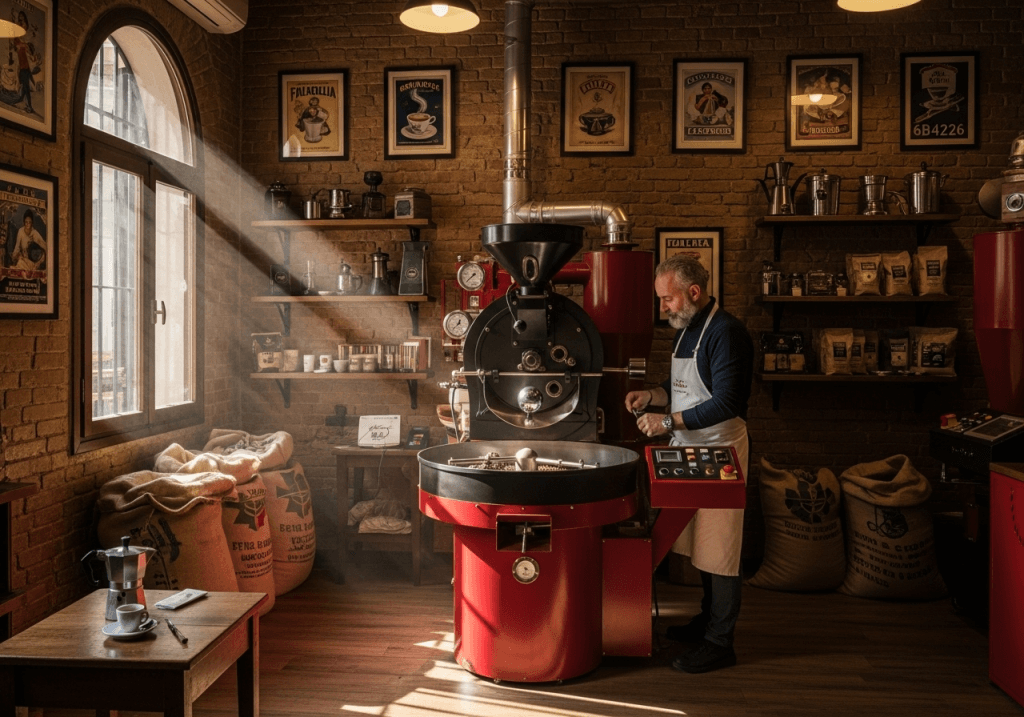
The art of coffee roasting is a fascinating process that transforms green coffee beans into richly flavored beverages. This guide will share with you the intricacies and professional techniques of flavored roasting your coffee beans. Whether you’re a coffee enthusiast roasting small batches at home or a professional working on a commercial scale, this comprehensive guide will walk you through it.
Coffee Roasting Basics
Understanding the Roasting Process
Coffee roasting is a complex process where green coffee beans undergo chemical and physical transformations under controlled heat. Through this process, the sugars in the beans caramelize, the proteins break down, and hundreds of aromatic compounds are formed. This chemical process, known as the Maillard reaction, brings out the characteristic color, aroma, and flavor of coffee.
During roasting, the beans lose weight by about 15-20%. This loss is caused by the reduced moisture content and the release of volatile compounds. At the same time, the volume of the nuclei increases by 50-100%, which allows the porous structure to form.
Temperature Ranges and Critical Points
Temperature control is vital in the professional roasting process. A typical roasting profile goes through the following stages:
- Drying Stage (0-150°C): The moisture in the beans evaporates.
- Yellowing Phase (150-180°C): The Maillard reaction begins.
- Developmental Stage (180-230°C): Aromas and flavors develop.
First Crack
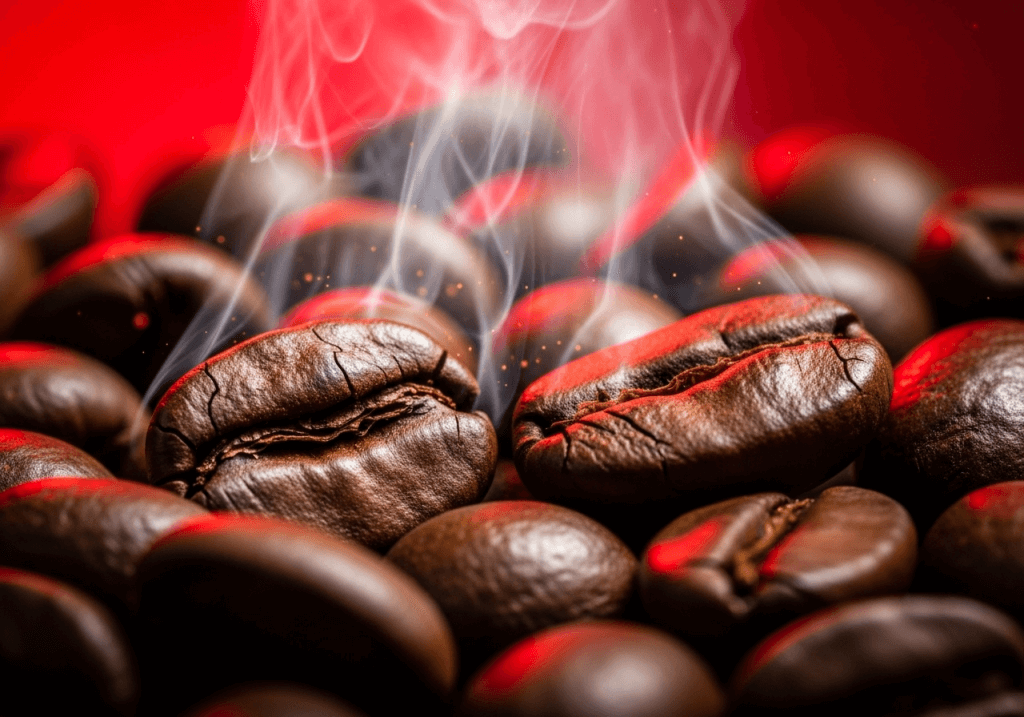
First Crack is a critical moment, usually occurring between 196-205°C. At this point, the pressure of the water vapor and gases inside the nuclei breaks the cell walls, creating an audible crack. This sound, similar to a corn explosion, is an important milestone of roasting. After the first crack, the coffee becomes drinkable and the acidic, fruity notes become evident.
Second Crack
Second Crack occurs at approximately 224-230°C. This cracking is a lighter and scratchier sound than the first. During the second cracking, oils begin to appear on the surface of the beans, and the roasting profile darkens. Care must be taken at this stage, as the kernels can easily burn.
Roasting Levels
Light Roast
Open roasting is the level of roasting that is terminated during or immediately after the first cracking. The kernels are light brown in color and are characterized by high acidity. Floral and fruity notes are most pronounced at this level. It is especially preferred for high quality 100% Arabica beans .
Medium Roast
Medium roasting is the most suitable level for Turkish taste. This roasting, which continues for a few minutes after the first cracking, offers balanced acidity and body. Caramel and chocolate notes become evident, while the original core character is still felt.
Dark Roast
Dark roasting continues until or after the second cracking. The kernels are dark brown or almost black. The oily surface is prominent, dominated by bitter, burnt notes. It is a traditionally preferred level for Turkish coffee.
4 Effective Methods of Roasting Flavored Coffee
1. Pre-Roast Infusion
Pre-Roast Infusion is a method of adding flavor to green beans before roasting. This technique allows the flavors to penetrate deep into the core.
Preparing the Green Kernels
The first step is to choose quality bean coffees . The beans should be clean, homogeneous in size and without defects. As we mentioned in our article on the art of choosing gourmet coffee beans for your perfect brew , choosing quality beans is the foundation of the success of flavored roasting. The following steps are followed in the preparation phase:
- Sort out the kernels and remove any damaged ones.
- Moisten slightly. (by spraying method)
- Add the flavor of your choice.
- Let it rest for 24-48 hours.
Use of Liquid Flavors
Liquid flavors can be vanilla extract, almond extract, or fruit concentrates. Things to consider during application:
- Use 1-3% of the weight of the beans in flavoring.
- Stir constantly to distribute the flavor evenly.
- Choose food safety approved flavors.
Drying and Moisture Control
The moisture content of flavored beans should be between 10-12%. Excess moisture leads to uneven results during roasting. Drying process:
- In a low temperature (40-50°C) oven
- In an air-circulating environment
- It is carried out for 4-6 hours.
2. Post-Roast Flavoring
Post-Roast Flavoring is the most widely used method in the industry. It is based on the principle of adding flavors to roasted hot beans.
Application of Aroma Oils
Aroma oils are produced specifically for coffee flavoring. These oils are:
- It is resistant to high temperature.
- It contains concentrated aroma.
- It is compatible with coffee oils.
The application technique is as follows: After roasting, when the beans are at a temperature of 100-120°C, aroma oil is sprayed in a rotating drum. Oil is used as much as 2-4% of the weight of the beans.
Mixing and Dispensing Techniques
Professional mixing techniques are applied for even distribution of aromas:
- Drum Mixing: 5-10 minutes in rotary drum
- Vacuum Mixing: Aroma penetration under vacuum
- Spray Mixing: Coating with fine spray
Resting Process
The aging time is critical for the flavors to fully penetrate the beans. Optimal resting:
- Minimum 24 hours
- In a cool and dry environment
- In airtight containers
- It is carried out with regular control.
3. Flavoring with Natural Spices and Herbs
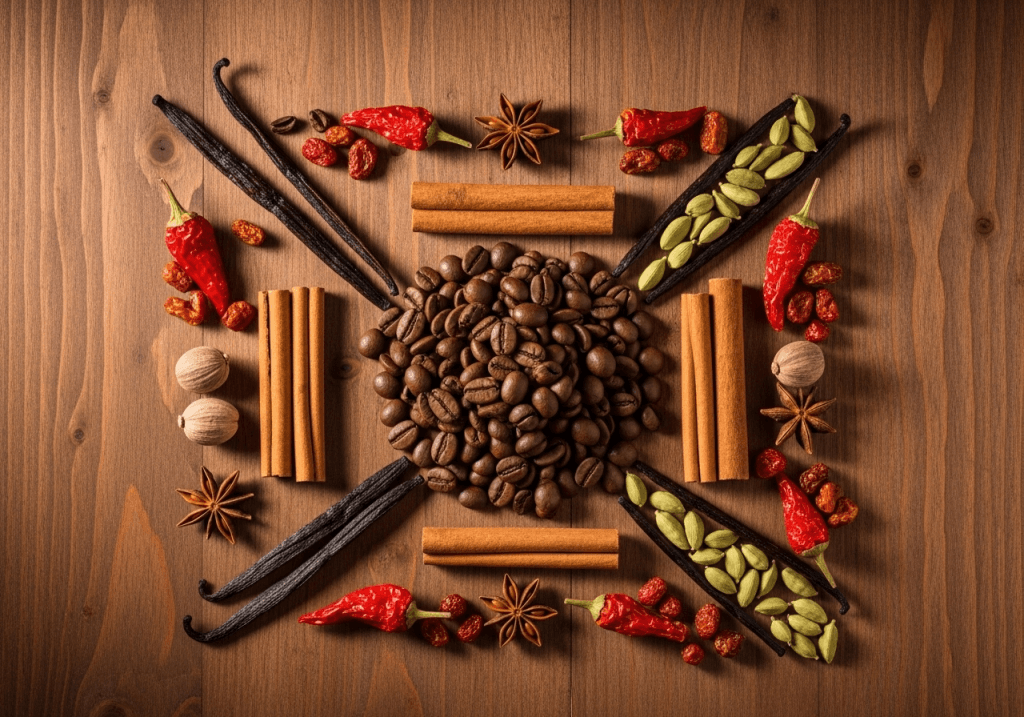
In traditional Turkish coffee culture, spices such as cardamom and cloves are frequently used. This method offers natural and authentic flavors. As we mentioned in our article on flavoring coffee beans , natural sweeteners and spices can give your coffee a unique character.
Spice Selection and Combinations
Popular spice combinations:
- Ottoman Mixture: Cardamom, cinnamon, cloves
- Oriental Breeze: Anise, fennel, ginger
- Mediterranean Touch: Orange peel, lavender, rosemary
For every 1 kg of coffee, 20-50 grams of spice is enough. You can also use coffee syrups to complement your spices and enrich your coffee experience.
Storage and Wait Times
Coffee flavored with spices requires special storage:
- Spices and coffee are stored in separate bags, in the same container.
- A waiting time of 7-14 days is ideal.
- Daily shaking enhances aroma transfer.
- It should be protected from moisture and light.
Aroma Transfer Techniques
For effective aroma transfer:
- Cold Transfer: Prolonged holding at room temperature
- Hot Transfer: Short-term operation at 40-50°C
- Grind Mixture: The spice and coffee are ground together.
4. Alcohol Infusion
Flavoring with whiskey, rum or liqueurs creates sophisticated flavors. This method requires special attention and safety precautions.
Selection of Alcohol Types
Suitable types of alcohol:
- Whiskey: Woody and caramel notes
- Rum: Sweet and spicy aromas
- Amaretto: Sweet notes with almonds
- Kahlua: Fortification with coffee liqueur
Safety Precautions
Food safety standards are critical in alcohol use:
- Use only food-grade alcohols.
- Work in a well-ventilated environment.
- Stay away from open flames.
- Check alcohol evaporation.
Drying and Finishing
After alcohol infusion:
- At 50-60°C, alcohol is evaporated.
- Drying is applied for 2-3 hours.
- The alcohol content is reduced to less than 0.5%.
- The final humidity check is done.
Flavor Combinations and Experimentation
Popular Flavor Combinations
Globally acclaimed combinations:
- Hazelnut-Chocolate: Classic and balanced – can be complemented with chocolate toppings .
- Vanilla-Caramel: For dessert lovers
- Coconut-Almond: Tropical touch
- Cinnamon-Cocoa: The winter classic
Seasonal Flavors
Seasonal suggestions suitable for Turkish coffee culture:
- Spring: It can be enriched with rose, lavender, bergamot – fruit purees .
- Summer: Lemon, mint, nutmeg
- Autumn: Apple, cinnamon, nutmeg
- Winter: Ginger, cloves, oranges
Experimental Approaches
Bold experiments for innovative flavors:
- Smoked aromas (sooty notes)
- Fermented fruit extracts
- Herbal tea infusions
- Spice blend extracts
Best Practices and Security
Quality Bean Selection
The Importance of Arabica Beans
Arabica beans are the ideal choice for the production of flavored coffee. Features:
- Low caffeine content
- Rich aroma profile
- Soft and balanced taste
- High aroma acceptance
Especially Arabicas originating from Colombia, Ethiopia and Guatemala should be preferred. Premium 100% Arabica blends, such as the Kimbo Gold collection , are the perfect base for flavored roasting.
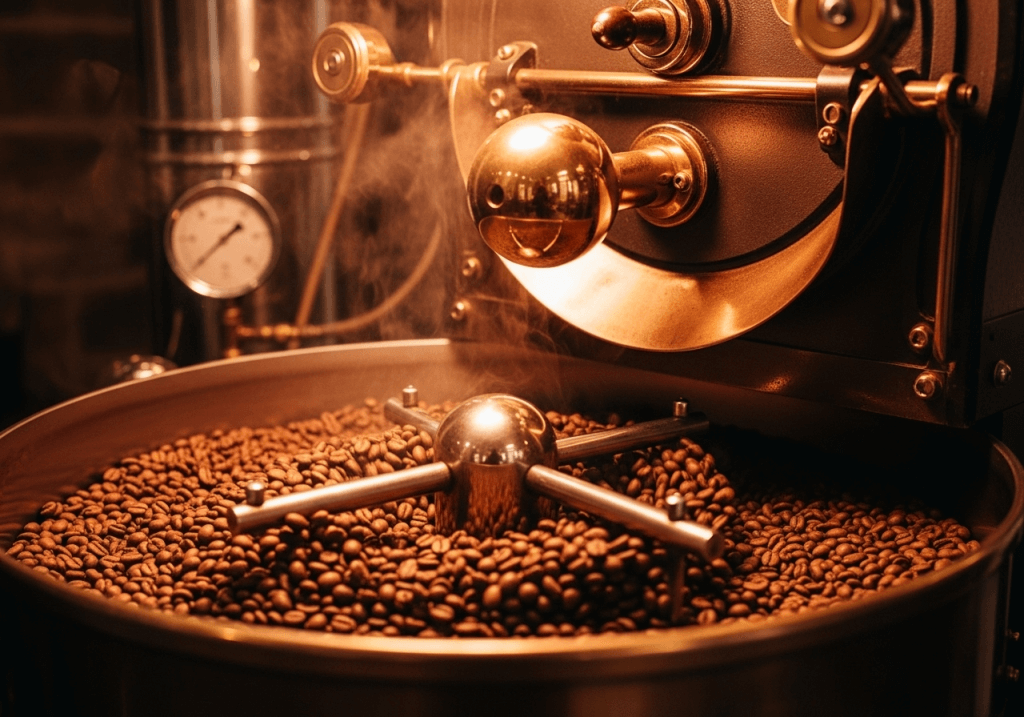
Equipment Cleaning and Maintenance
For hygiene and quality:
- Equipment cleaning after each batch
- Deep cleaning between flavored and unflavored roasts
- Filter and air duct control
- Regular cleaning of fat deposits
Storage Methods
Airtight Containers
Airtight containers are essential for preserving flavored coffees:
- With one-way valve system
- UV protected
- Food safety certified
- 1-5 kg capacity
Distinction of Flavored and Unflavored Beans
To avoid cross-contamination:
- Separate storage areas
- Different color-coded containers
- Labeling system
- Stock rotation tracking
Safety Precautions
Food Safety Standards
Compliance with food safety standards is mandatory:
- HACCP principles
- ISO 22000 certification
- Allergen management
- Traceability systems
Hot Equipment Handling
Safety during roasting:
- Use of heat-resistant gloves
- Keeping fire extinguishers ready
- Emergency procedures
- Regular equipment maintenance
Safe Use of Flammable Agents
Especially for alcohol-based flavors:
- Work away from the source of fire
- Keeping a fire blanket
- Ventilation systems
- Personal protective equipment
Notes and Documentation
Roasting Profiles
A detailed roast profile record should be kept for each flavored roast:
- Start and end temperatures
- Time-temperature curve
- Cracking times
- Aroma addition point
- Cooling time
Tasting Notes
Systematic tasting notes:
- Appearance: Color, oil condition, uniformity
- Aroma: Dry odor profile
- Flavor: Taste balances, aroma intensity
- Mouthfeel: Body, smoothness
- Finish: Taste continuity, aftertastes
Iterating Successful Recipes
Documentation for consistency:
- Detailed prescription records
- Raw material lot numbers
- Environmental conditions (humidity, temperature)
- Customer feedback
- Quality control results
Conclusion and Practical Recommendations
The art of roasting flavored coffee is the perfect combination of science and creativity. The techniques and information provided in this guide will guide you on the path to creating your own unique aromas.
Remember that the secret to creating perfectly flavored coffee is through quality beans, the right technique and patient experimentation. Every cup of coffee is a new journey of discovery. Whether you’re a professional roaster or an enthusiast experimenting with small amounts at home, a systematic approach and careful observation are key to your success.
When embarking on flavored coffee production, start experimenting with small batches and record your notes meticulously. Kimbo’s extensive bean coffee collection is the perfect base for your flavoring experiments. Especially varieties with soft drinking or intense aromas can adapt to different aroma profiles.
By completing your coffee cup with special Kimbo coffee cups , you can take your aromatic coffee experience to the top. We wish you pleasant roasting and delicious experiments!
En Çok Satan Kampanyalarımız
₺ 1.720,00Original price was: ₺ 1.720,00.₺ 1.548,00Current price is: ₺ 1.548,00.₺ 1.215,00Original price was: ₺ 1.215,00.₺ 1.093,00Current price is: ₺ 1.093,00.₺ 1.175,00Original price was: ₺ 1.175,00.₺ 1.057,00Current price is: ₺ 1.057,00.₺ 1.855,00Original price was: ₺ 1.855,00.₺ 1.670,00Current price is: ₺ 1.670,00.₺ 2.235,00Original price was: ₺ 2.235,00.₺ 1.900,00Current price is: ₺ 1.900,00.